Power for AI data centres

The Physical Layer

Power: the roster

Every way to power an AI data centre, as a team of players. The grid comes first as the default every builder starts from; the cards are the machines they build when it makes them wait.

Speed
how fast it can be up and running
Size
how much power one unit gives
Cost
how cheap it is to build
Reliability
how much you can count on it when demand peaks
Stamina
how long it runs without new fuel

Graded A (excellent) to E (very weak), each from one sourced number: see the bands.

The grid

The default every builder starts from, and the bar every card below is trying to beat. So it carries no grades.

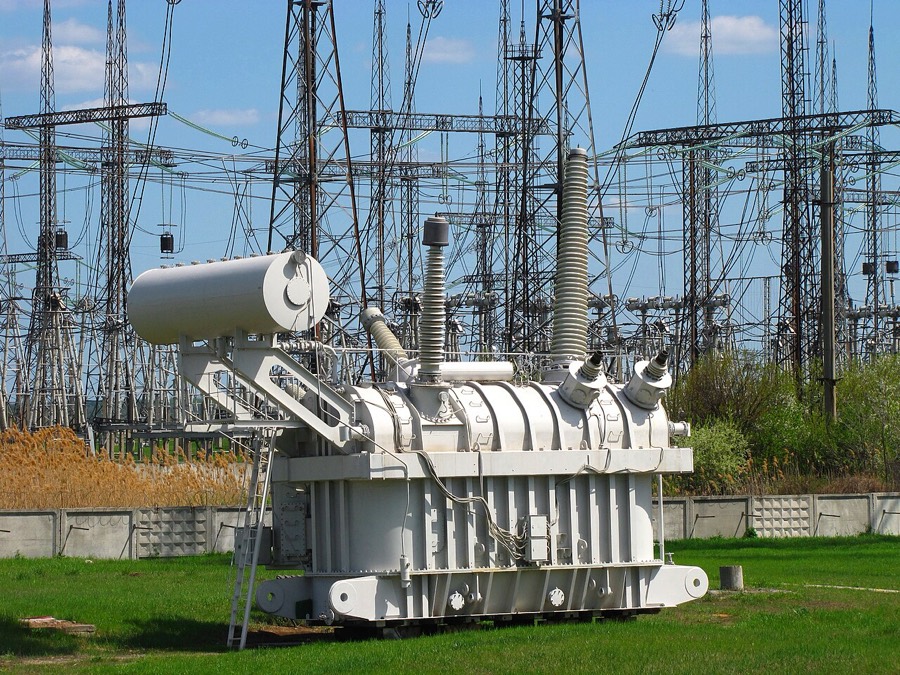
A large high-voltage transformer in a substation, with insulators and lines above it.
A 750 kV substation transformer. Photo: Novoklimov, CC0

Why the grid is a problem

  • No date: Dominion, in Virginia, has none yet for 45 GW of data centres. A request today waits 5 to 6 years or more.
  • Even approved sites can be paused: Texas froze switch-ons for big data centres in August 2026.
  • A data centre takes 1 to 2 years to build. A large transformer alone is quoted at 3 to 5 years.

Why builders go elsewhere

  • A date they can plan on: a rented gas fleet in months, gas engines in about 2 to 3 years.
  • Their own schedule, not a utility's queue.
  • The catch: the machine makers have queues too, and gas still comes by pipe.

Sources: Dominion (May and September 2026); ERCOT (20 August 2026); FERC (18 June 2026); US Department of Energy (July 2024); the cards below. Where the grid is quick, as in Johor (12 months), builders stay on it.

Chapter 1: Johor and SingaporeChapter 2: America rations the plugChapter 4: Building your own power

Big gas turbines

When the grid makes you wait, you build your own power station beside the campus.

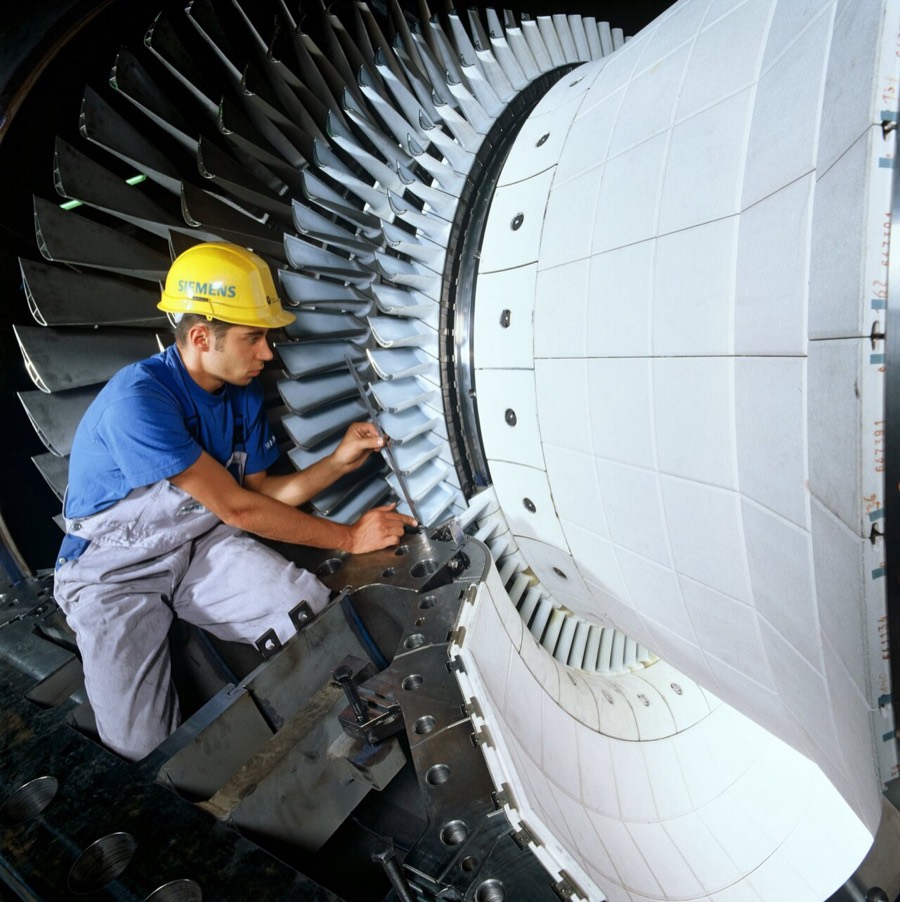
A worker in a hard hat beside the bladed rotor of a large gas turbine being assembled. Bridge

Heavy-frame gas turbine, simple cycle

GE Vernova 7HA, Siemens HL, Mitsubishi JAC

Speed E Size B Cost B Reliability C Stamina E
  • Speed 81 to 92 months
  • Size 430 MW
  • Cost US$1,158/kW
  • Reliability 59% firm
  • Stamina 0 days: fuel by pipe

Special abilityAbout 430 MW from one machine at 43 per cent efficiency.

WeaknessA slot sold today ships in 2032 and runs about 18 months later; GE Vernova holds 6.1 years of output under contract.

Chapter 3: The equipment queueChapter 4: Building your own power

Assembling the rotor of a Siemens SGT5-4000F. Photo: Siemens Pressebild, CC BY-SA 3.0, resized
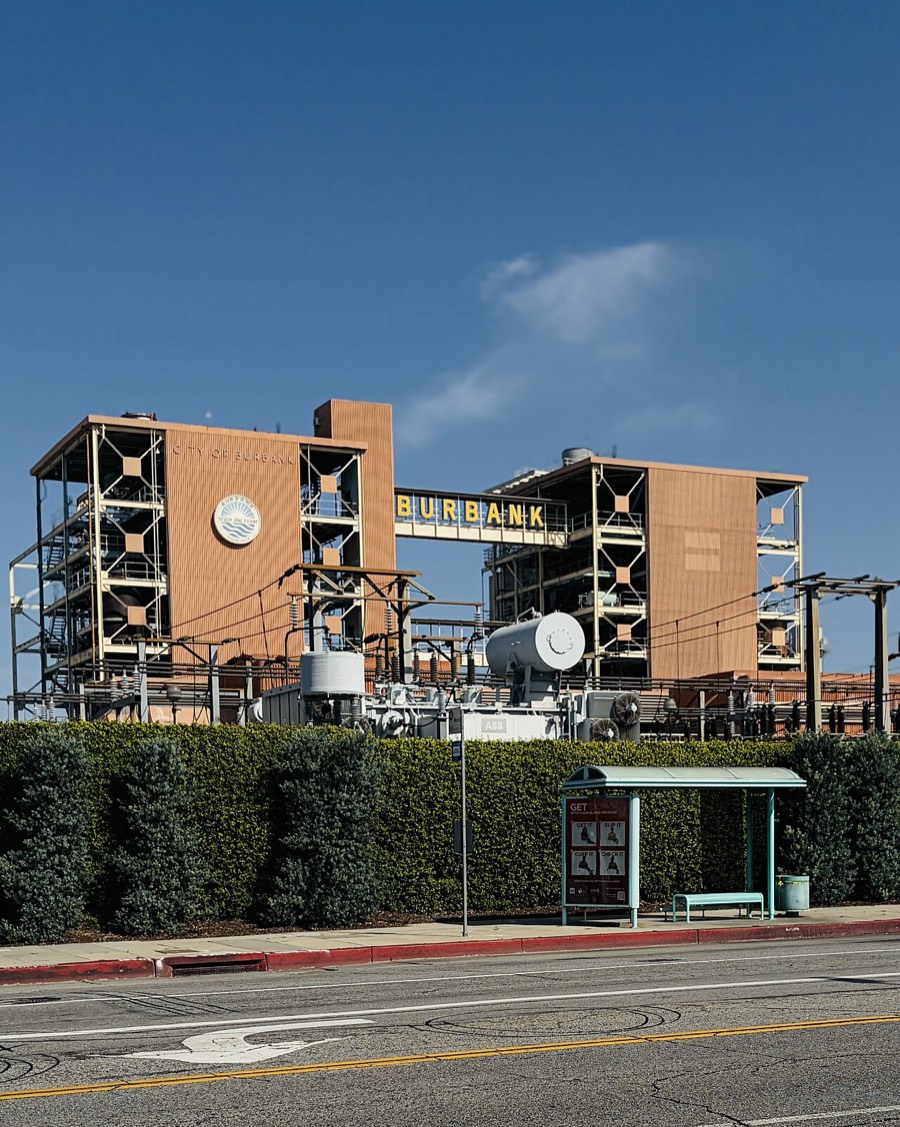
The boiler structures and stack of a combined-cycle gas plant against a blue sky. Baseload

Combined-cycle gas plant

One gas turbine plus a steam turbine

Speed E Size A Cost B Reliability B Stamina E
  • Speed at least 81 to 92 months
  • Size 640 MW
  • Cost US$1,032/kW
  • Reliability 75% firm
  • Stamina 0 days: fuel by pipe

Special abilityBurns about 30 per cent less gas per unit than simple cycle.

WeaknessReal plants cost more than the planning figure graded here: Duke's run about US$1,620 to 2,340 per kilowatt.

Chapter 3: The equipment queueChapter 4: Building your own power

Magnolia Power Plant, Burbank, California. Photo: Alexis Doine, CC0

Small gas machines

When the big turbines are sold out, smaller machines come from other factories and other queues.

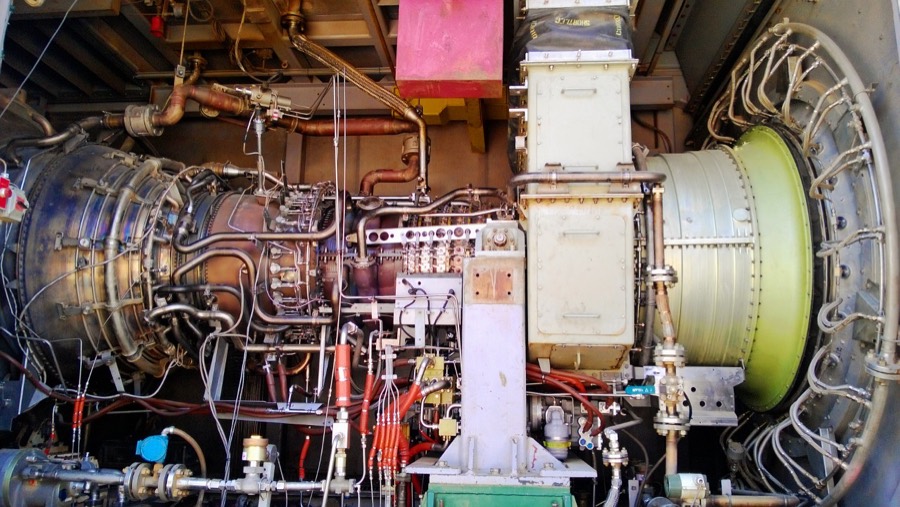
A GE LM6000 aeroderivative gas turbine in its enclosure, with pipes and wiring around it. Fast start

Aeroderivative gas turbine

GE Vernova LM2500XPRESS, LM6000

Speed D Size D Cost C Reliability C Stamina E
  • Speed 45 to 56 months
  • Size 35 to 58 MW
  • Cost US$2,275/kW
  • Reliability 59% firm
  • Stamina 0 days: fuel by pipe

Special abilityShips about two years before a heavy unit and runs six months later: about four years from an order today, against about seven.

WeaknessBurns about 46 per cent more gas than combined cycle; 124-unit backlog.

Chapter 4: Building your own power

A GE LM6000 at work in Iraq. Photo: Pro-Per Energy Services, CC BY-SA 4.0, resized

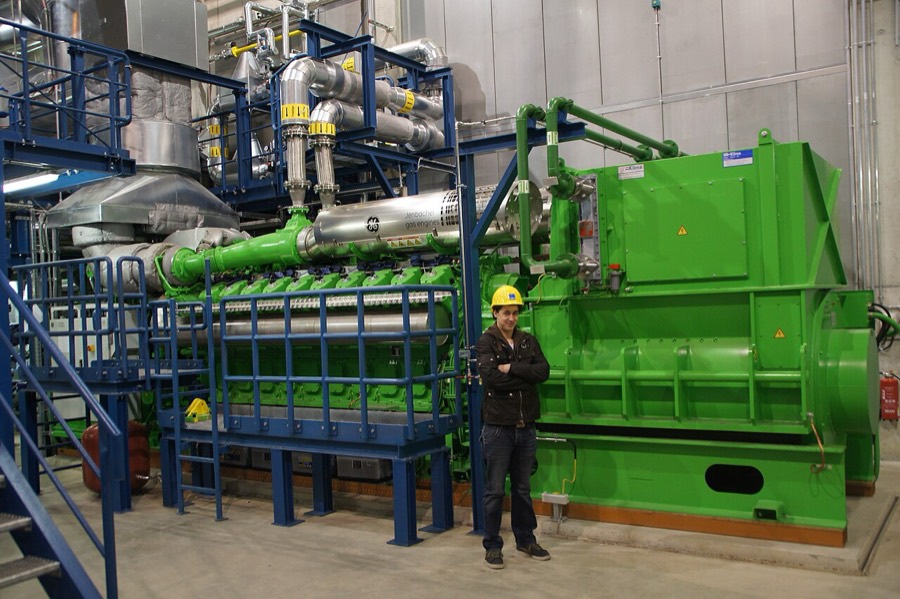
A large green 20-cylinder V gas engine in a power plant hall. Modular

Reciprocating gas engine

Wärtsilä, Caterpillar

Speed C Size D Cost B Reliability A Stamina E
  • Speed 27 to 38 months
  • Size 18.9 MW
  • Cost US$1,400 to 1,500/kW
  • Reliability 92% firm
  • Stamina 0 days: fuel by pipe

Special abilitySmall 18.9 MW blocks; Wärtsilä's engine reaches full load in two minutes.

WeaknessLead times keep rising; an October 2026 order runs fully only in 2029.

Chapter 4: Building your own power

A 5 MW, 20-cylinder Jenbacher gas engine. Photo: Benedikt Schneider, CC BY-SA 3.0, resized

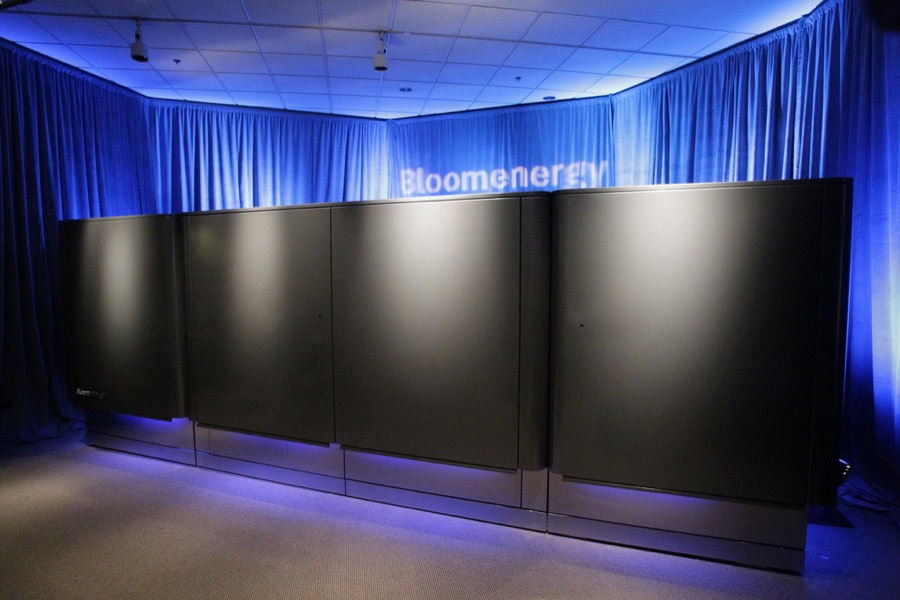
A row of Bloom Energy fuel cell servers, grey cabinets lit from below. Modular

Solid oxide fuel cell

Bloom Energy

Speed A Size D Cost E Reliability A Stamina E
  • Speed* 3 months
  • Size 10 MW
  • Cost US$7,818/kW
  • Reliability* 99.9% available
  • Stamina 0 days: fuel by pipe

* Speed: Bloom's own claim of about 90 days, not a measured project.

* Reliability: Bloom's own fleet availability, not a grid operator's rating.

Special abilityNo flame: New York, New Jersey and North Carolina give fuel cells air-permit exemptions.

WeaknessEIA's planning cost is US$7,818 per kilowatt, the highest gas machine here.

Chapter 4: Building your own power

Bloom Energy Servers. Photo: Bloom Energy, CC BY 2.0, resized

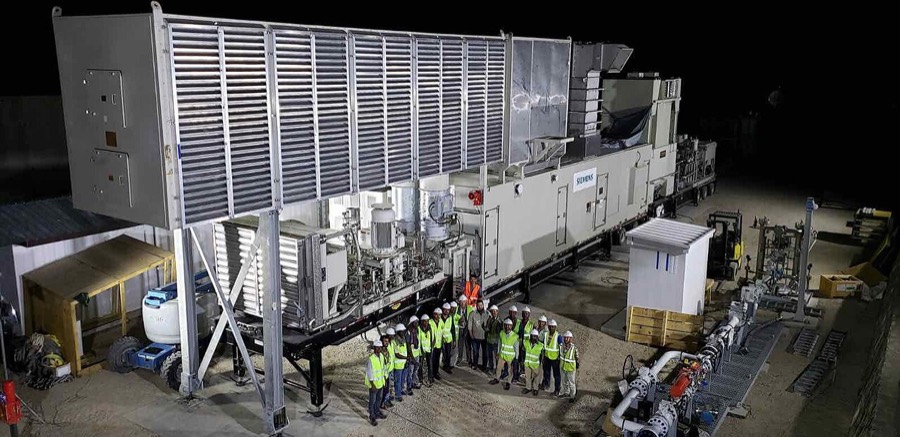
A gas turbine generating unit mounted on road trailers, with its crew standing beside it. Stopgap

Rented power fleet

Solaris Energy Infrastructure

Speed A Size D Cost A Reliability C Stamina E
  • Speed 2 to 5 months
  • Size 29 MW
  • Cost under US$815/kW (turbines only)
  • Reliability 59% firm
  • Stamina 0 days: fuel by pipe

Special abilityOver 200 MW of bought turbines due to run from early 2027.

WeaknessIts fleet is already booked: 3.2 GW under long-term contracts.

Chapter 4: Building your own power

A Siemens SGT-A45 turbine on trailers, Bayat. Photo: Mahbubehp, CC BY-SA 4.0, resized

Solar and batteries

The fastest power to build, but it cannot carry a winter night.

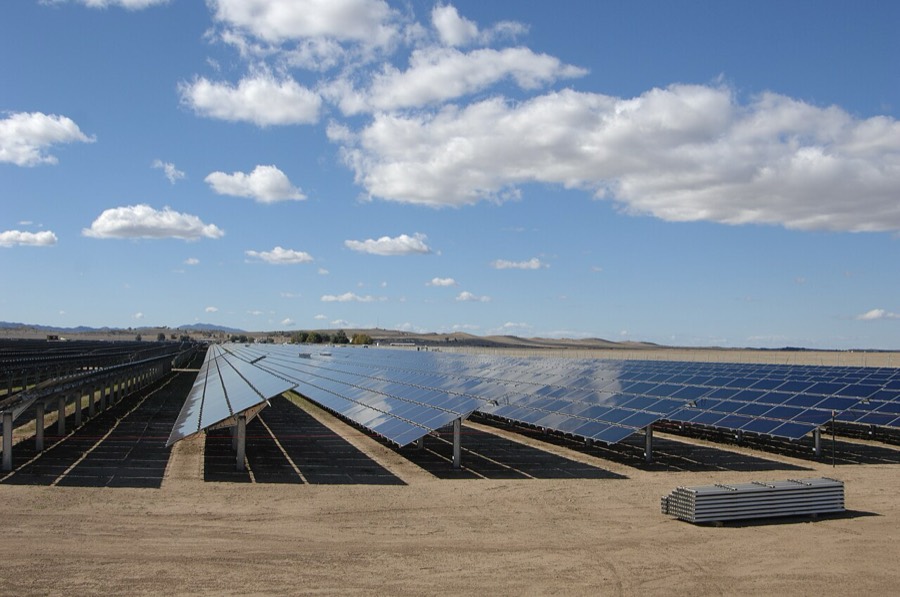
Rows of solar panels stretching across a valley under a cloudy sky. Daytime

Utility solar farm

Speed C Size C Cost B Reliability E Stamina ∞
  • Speed 24 months
  • Size 150 MW
  • Cost US$1,484/kW
  • Reliability 7% firm
  • Stamina needs no fuel

Special abilityEIA's planning build time is two years, and there is no fuel to buy.

WeaknessPJM counts tracking solar as 7 per cent of a firm megawatt.

Chapter 5: Solar and batteries

Topaz Solar Farm, California. Photo: Sarah Swenty, US Fish and Wildlife Service, Public domain

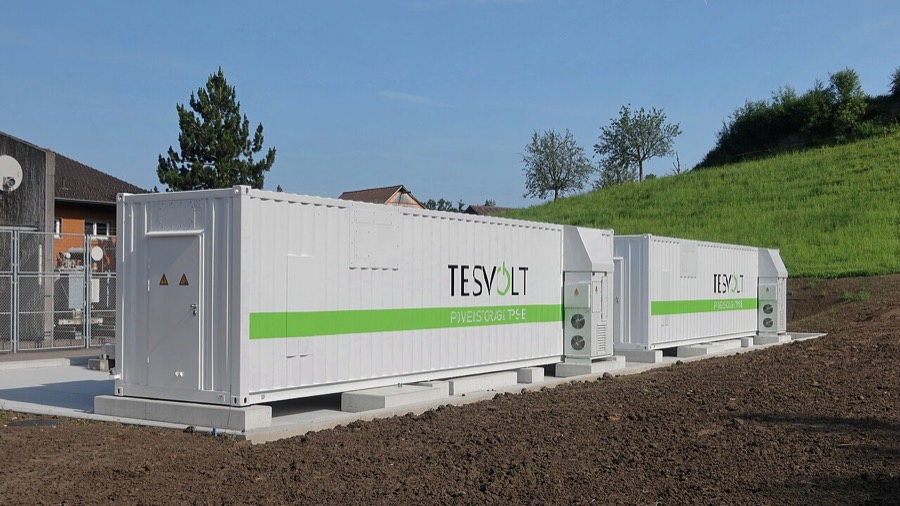
White battery storage containers on a gravel pad in the countryside. Buffer

Battery storage, grid scale

Speed B Size C Cost B Reliability C Stamina E
  • Speed 12 months
  • Size 150 MW
  • Cost US$1,521/kW
  • Reliability 57% firm
  • Stamina 4 hours

Special abilityBuilds in one year on EIA's planning assumptions.

WeaknessPJM's preliminary rating falls from 57 to 23 per cent by 2035/36.

Chapter 5: Solar and batteries

A 5 MW battery in containers, Switzerland. Photo: Kecko, CC BY 2.0, resized

Large nuclear

Power for every hour of the year: old reactors first, new ones later.

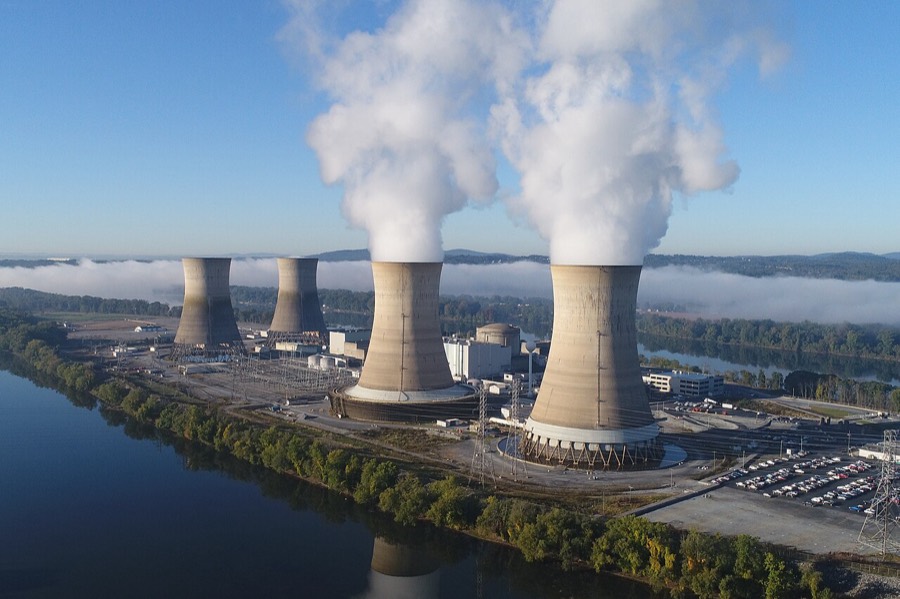
Cooling towers at Three Mile Island, now Crane, beside a river. Baseload

Reactor restart

Crane, Palisades, Duane Arnold

Speed D Size A Cost C Reliability A Stamina A
  • Speed 34 to 39 months
  • Size 615 to 835 MW
  • Cost US$1,900/kW
  • Reliability 96% firm
  • Stamina 18 to 24 months

Special abilityCrane costs about US$1,900 per kilowatt and runs on ordinary fuel.

WeaknessOnly three restarts exist, and Palisades has no date since fuel loading stopped.

Chapter 6: Nuclear for AI

Crane, formerly Three Mile Island. Photo: Constellation Energy, CC BY-SA 4.0, resized

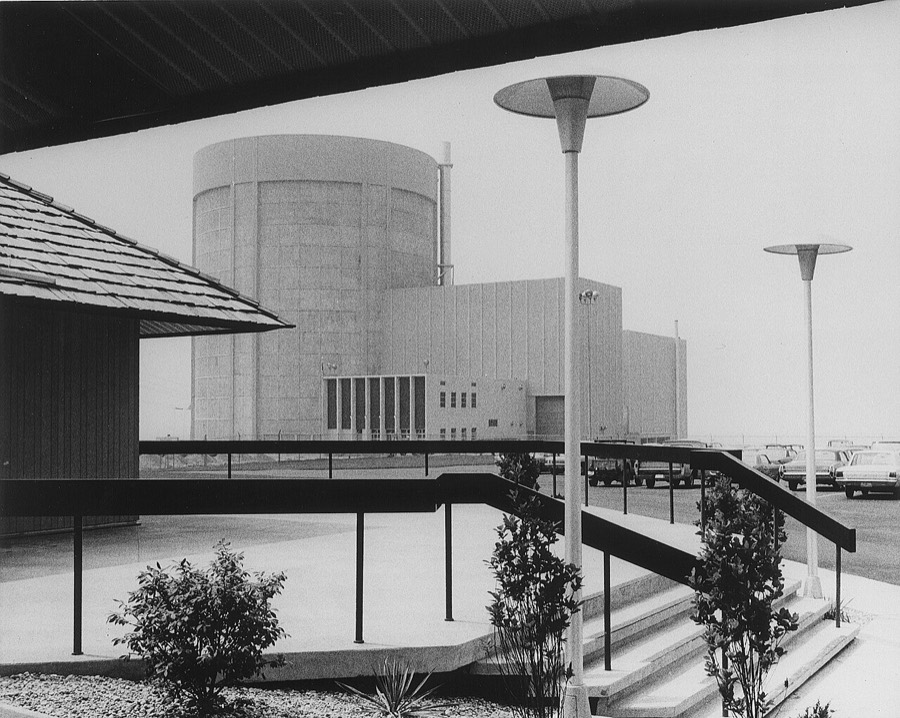
A black and white photograph of the Palisades nuclear plant, its round containment beside the turbine building. Top-up

Reactor uprate

Speed C Size C Cost D Reliability A Stamina A
  • Speed 26 months (target)
  • Size 78 MW
  • Cost US$4,800/kW
  • Reliability 96% firm
  • Stamina 18 to 24 months

Special abilityThe NRC aims to review an uprate in 6 to 12 months.

WeaknessNo AI-funded uprate had reached the NRC by September 2026.

Chapter 6: Nuclear for AI

Palisades, Michigan, an older DOE photograph. Photo: US Department of Energy, Public domain

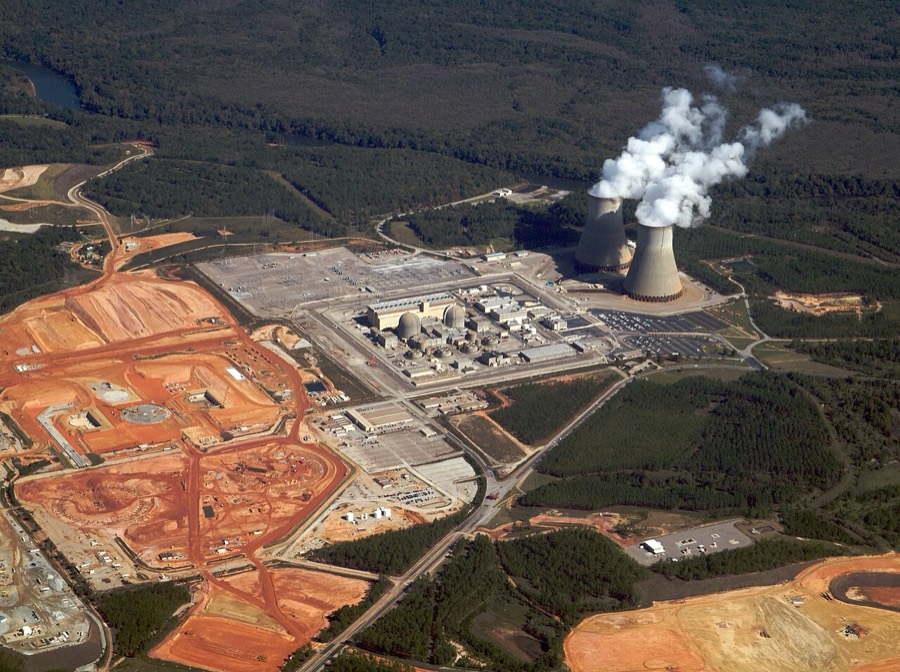
An aerial view of the Vogtle nuclear plant, with the construction site of two new reactors beside the old ones. Long game

New reactor

Kemmerer 1, Aurora, Hermes 2

Speed D Size C Cost E Reliability A Stamina A
  • Speed 46 to 57 months (target)
  • Size 50 to 345 MW
  • Cost US$9,800/kW
  • Reliability 96% firm (nuclear class)
  • Stamina 24 months (Natrium design)

Special abilityKemmerer 1 won its construction permit about 23 months after applying.

WeaknessNeeds HALEU: over 40 tonnes by 2030, against about 21 expected by 2028.

Chapter 6: Nuclear for AI

Vogtle 3 and 4 under construction, the last new US reactors. Photo: Charles C Watson Jr, CC BY-SA 3.0, resized

Microreactors

A reactor small enough to move by road, if its fuel can be made.

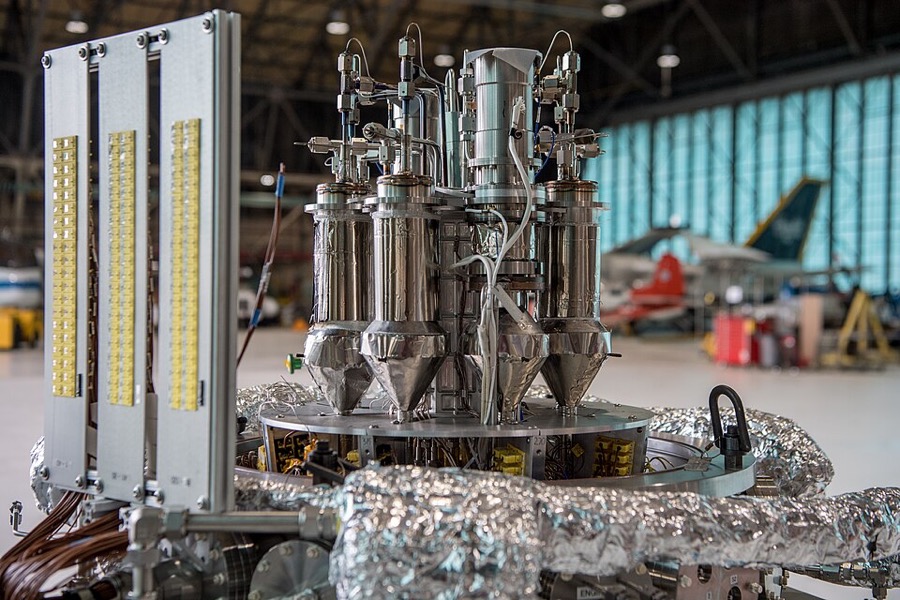
A small metal reactor prototype with pipes and heat pipes on a test stand in a hangar. Prospect

Microreactor

Janus programme, Radiant Kaleidos, BWXT Pele

Speed C Size D Cost E Reliability A Stamina A
  • Speed 25 months (target)
  • Size 1 to 20 MW
  • Cost US$10,800 to 23,600/kW (estimate)
  • Reliability 96% firm (nuclear class)
  • Stamina 3 to 8 years

Special abilityRuns three to eight years unopened, then is refuelled in a factory.

WeaknessFirst-of-a-kind power costs about 32.5 cents a kWh, against 8.6 industrial.

Chapter 7: Microreactors

A prototype of NASA's Kilopower, a 1 kW reactor for space and planet surfaces. Photo: NASA Glenn Research Center, Public domain

How the grades are worked out

Each grade reads one sourced number and nothing else, through the bands below; a range uses its middle. A number that could not be found in a primary source grades ?, and a machine that needs no fuel grades ∞ on Stamina. There is no overall grade: the ratings measure different things, and the role on each card says what it is for.

RatingReadsA excellentB strongC middlingD weakE very weak
Speedmonths from order to first power6 months or lessup to 18 monthsup to 36 monthsup to 60 monthsover 60 months
SizeMW from one unit (one machine, farm or reactor)500 MW or more200 MW or more50 MW or more10 MW or moreunder 10 MW
CostUS$ per kW to buildUS$1,000/kW or lessup to US$1,600/kWup to US$3,000/kWup to US$6,000/kWover US$6,000/kW
Reliabilityshare of each MW PJM counts as firm at peak (ELCC class rating, 2029/30); where PJM has no class, the card names what stands in90% or more70% or more50% or more30% or moreunder 30%
Staminahow long it keeps running on the fuel already on site if deliveries stop (not how hard the fuel is to buy)1 year or more30 days or more7 days or more1 day or moreunder 1 day

The numbers behind each card

Heavy-frame gas turbine, simple cycle

Combined-cycle gas plant

  • Speed: at least 81 to 92 months (GE Vernova results call (28 October 2026) and call of 22 July 2026; EIA, Assumptions to the Annual Energy Outlook 2026, Table 3; Mitsubishi Heavy Q&A summary (6 August 2026); Louisiana PSC docket U-37425, as cited in the piece, 2026-10-28)
  • Size: about 640 MW (GE Vernova 7HA product pages, as cited in the piece, 2026-11-07 (read))
  • Cost: US$1,032/kW (2025$) (EIA, Assumptions to the Annual Energy Outlook 2026: Electricity Market Module, Table 3 (base overnight cost), 2026-04)
  • Reliability: PJM ELCC 75% (PJM, ELCC class ratings for the 2029/2030 Base Residual Auction, 2026-08-07)
  • Stamina: 0 days

Aeroderivative gas turbine

Reciprocating gas engine

Solid oxide fuel cell

Rented power fleet

Utility solar farm

Battery storage, grid scale

Reactor restart

  • Speed: 34 to 39 months (Constellation (20 September 2024) and its FERC waiver request, docket ER26-2028 (31 March 2026, page 17: "physically able to generate in the second half of 2027"), as cited in the piece, 2026-03-31)
  • Size: 615 to 835 MW (Owners' releases and NRC, as cited in the piece, 2026-11-07)
  • Cost: about US$1,900/kW (Constellation, Holtec and NextEra, as cited in the piece, 2026)
  • Reliability: PJM ELCC 96% (PJM, ELCC class ratings for the 2029/2030 Base Residual Auction, 2026-08-07)
  • Stamina: 18 to 24 months (Piece)

Reactor uprate

  • Speed: up to 26 months (target, first MW) (Constellation and Google (6 October 2026), as cited in the piece, 2026-10-06)
  • Size: about 78 MW an uprate (NRC expected applications list (8 September 2026), as cited in the piece, 2026-09-08)
  • Cost: about US$4,800/kW (Constellation (6 October 2026), as cited in the piece, 2026-10-06)
  • Reliability: PJM ELCC 96% (PJM, ELCC class ratings for the 2029/2030 Base Residual Auction, 2026-08-07)
  • Stamina: 18 to 24 months (Piece)

New reactor

Microreactor

Personal research, not investment advice. Grades compare machines, not companies, and say nothing about any share.